Get Residential Roof Replacement
Residential roof replacement services involve local contractors handling projects to repair or replace aging, damaged, or leaking roofs, ensuring property protection and improved home value.
If your property is showing signs of aging or damage, considering a roof replacement can be a practical step to protect your investment and enhance your home's appearance. Property owners in the area often explore roof replacement to address issues like leaks, structural wear, or to improve energy efficiency. Whether planning for future maintenance or upgrading for better durability, understanding your options and comparing local contractors can help ensure the project meets your needs.
Finding the right service providers for residential roof replacement involves evaluating local contractors who understand the specific requirements of properties in the area. This process allows property owners to explore different approaches, materials, and services available nearby. Continuing to browse can provide valuable insights into the choices that best align with your property’s needs and your project goals.
- Residential Roof Replacement - needed when a roof has sustained extensive damage or is nearing the end of its lifespan.
- Shingle Roof Replacement - required if shingles are curling, missing, or severely deteriorated.
- Asphalt Roof Replacement - suitable for homes with asphalt roofing systems showing signs of wear or leaks.
- Tile Roof Replacement - necessary when tiles are cracked, broken, or have shifted over time.
- Flat Roof Replacement - essential for flat roofing systems experiencing persistent leaks or structural issues.
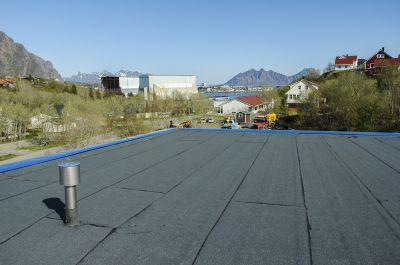
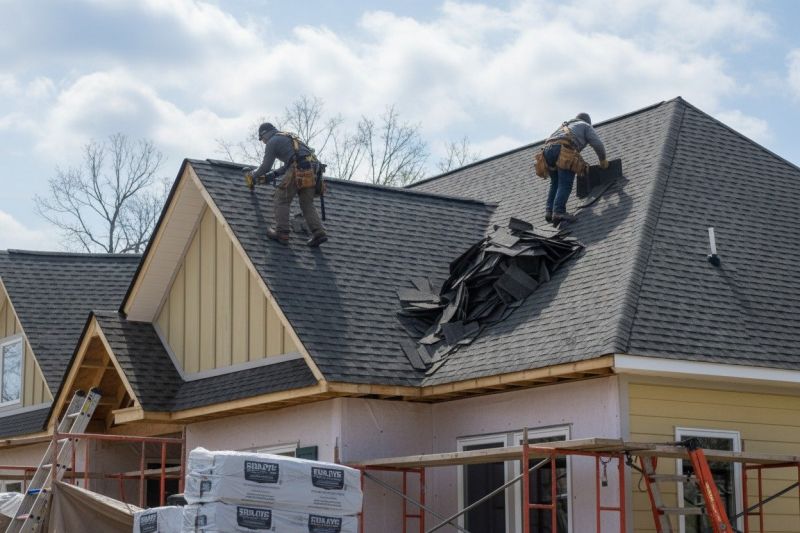
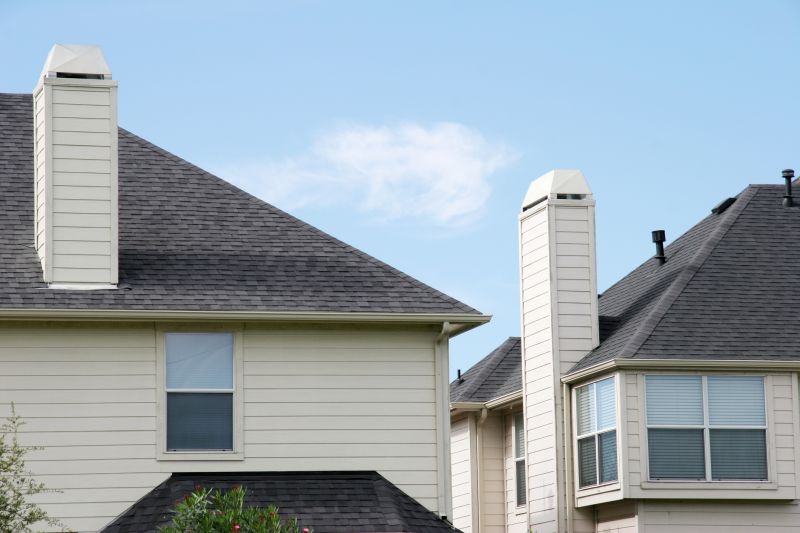
Residential roof replacement services involve removing an existing roof and installing a new one to protect a home from the elements. This process typically includes inspecting the current roof, removing damaged or outdated materials, repairing underlying structures if needed, and applying new roofing materials such as asphalt shingles, metal, or other options. The goal is to ensure the roof provides reliable coverage, enhances the home's appearance, and maintains its structural integrity over time.
Replacing a roof can help address common problems like extensive damage from storms, leaks, or aging materials that no longer perform effectively. Over time, roofs can develop issues such as cracked or missing shingles, water infiltration, or structural wear, which may lead to interior damage or higher energy costs. A professional roof replacement can eliminate these risks by installing a durable, weather-resistant roof that restores the home's protection and reduces the likelihood of future repairs.
This service is often used on a variety of property types, including single-family homes, townhouses, and multi-family residences. Homes with older roofs that have reached the end of their lifespan, or those suffering from persistent leaks or visible damage, are common candidates for replacement. Additionally, properties undergoing renovations or upgrades may opt for a roof replacement to improve curb appeal and increase property value, ensuring the home remains safe and visually appealing.
Homeowners should consider roof replacement when their current roof shows signs of significant wear or damage that cannot be effectively repaired. Indicators include widespread shingle deterioration, frequent leaks, or visible sagging. Choosing to replace a roof proactively can prevent more costly repairs down the line, protect the home's interior, and maintain structural safety. Local contractors can provide expert guidance on whether a replacement is necessary and help select the best materials for the property's needs.
The overview below groups typical Residential Roof Replacement projects into broad ranges so you can see how smaller, mid-sized, and larger jobs often compare in your area.
In many markets, a large share of routine jobs stays in the lower and middle ranges, while only a smaller percentage of projects moves into the highest bands when the work is more complex or site conditions are harder than average.
Smaller Repairs - typical costs range from $250-$600 for common repairs like replacing a few shingles or fixing minor leaks. Many routine jobs fall within this middle range, depending on the extent of damage and materials needed.
Partial Roof Replacement - projects that involve replacing sections of a roof generally cost between $1,500 and $4,000. Larger, more complex partial replacements can reach $5,000+ but are less common.
Full Roof Replacement - complete roof replacements usually fall within $5,000 to $15,000 for most homes, with larger or high-end materials pushing costs higher. Many projects land in the middle of this range, while premium options can exceed it.
Luxury or Complex Projects - extensive or custom roofing projects can cost $20,000 and above, especially for large, intricate designs or high-end materials. These are less typical and represent the higher end of the cost spectrum.
Actual totals will depend on details like access to the work area, the scope of the project, and the materials selected, so use these as general starting points rather than exact figures.
Roof Inspection and Assessment - Local contractors perform detailed inspections to evaluate roof condition, a crucial step in planning residential roof replacements.
Roof Repair Services - Repairing damaged or worn roofing components shares skills with full roof replacement, ensuring proper preparation for new roofing materials.
Gutter Installation and Replacement - Installing or replacing gutters involves similar planning and skillsets as roofing projects, supporting overall roof system performance.
Attic Insulation and Ventilation - Improving attic insulation and ventilation complements roof replacement efforts by enhancing energy efficiency and roof longevity.
Skylight Installation - Installing skylights requires precise planning and roofing skills, often integrated into residential roof replacement projects for aesthetic and natural lighting benefits.
Storm Damage Repair - Addressing storm-related damage involves assessing and repairing roofing structures, which aligns closely with the skills used in roof replacement services.
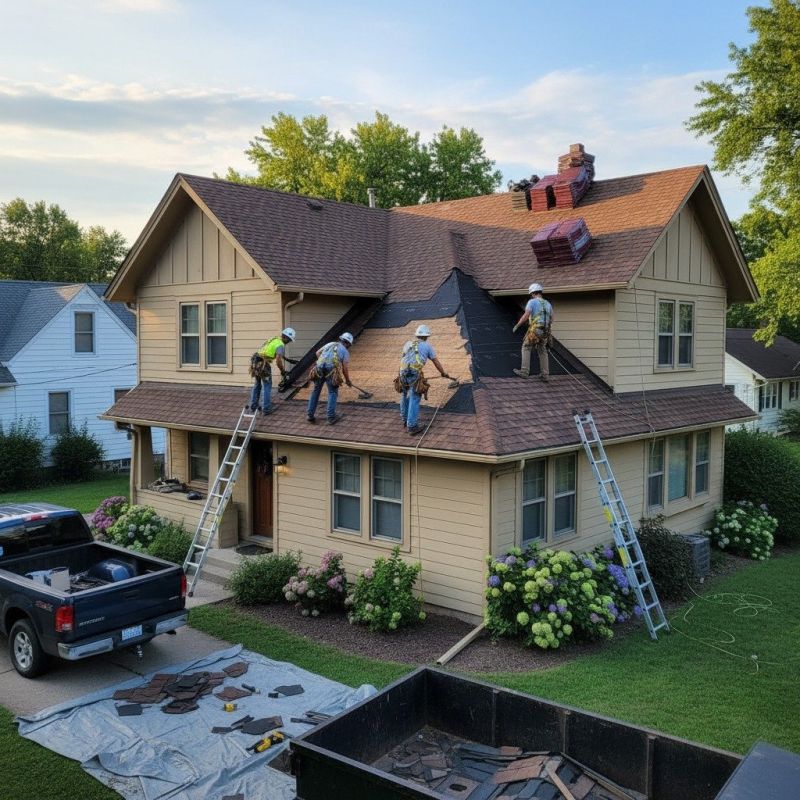
When comparing service providers for residential roof replacement, it’s important to consider their experience with similar projects. Homeowners should look for local contractors who have a proven track record of successfully completing roof replacements comparable in size and style to the project at hand. An experienced professional will be familiar with common challenges and best practices, which can help ensure the work is done efficiently and to a high standard. Gathering information about their past work, whether through portfolios or references, can provide insight into their expertise and reliability.
Clear written expectations are essential when evaluating local contractors. Homeowners should seek detailed proposals that outline the scope of work, materials to be used, and any relevant warranties or guarantees. Having these details in writing helps prevent misunderstandings and provides a basis for comparing different options objectively. It’s beneficial to ask service providers to explain their process and what homeowners can expect at each stage, fostering transparency and confidence in the project.
Reputable references and good communication are key factors in selecting a dependable service provider. Homeowners can ask local contractors for references from previous clients who had similar projects completed. Speaking with past customers can reveal insights into the contractor’s professionalism, timeliness, and quality of work. Additionally, effective communication-such as prompt responses, clarity in explanations, and willingness to answer questions-indicates a contractor’s commitment to customer satisfaction. Since this site introduces homeowners to local options rather than performing the work itself, it’s important to choose a professional who demonstrates these qualities to help ensure a smooth and successful roof replacement experience.
Property owners use Residential Roof Replacement services for practical projects around their homes and businesses. This guide focuses on everyday jobs and straightforward project options.
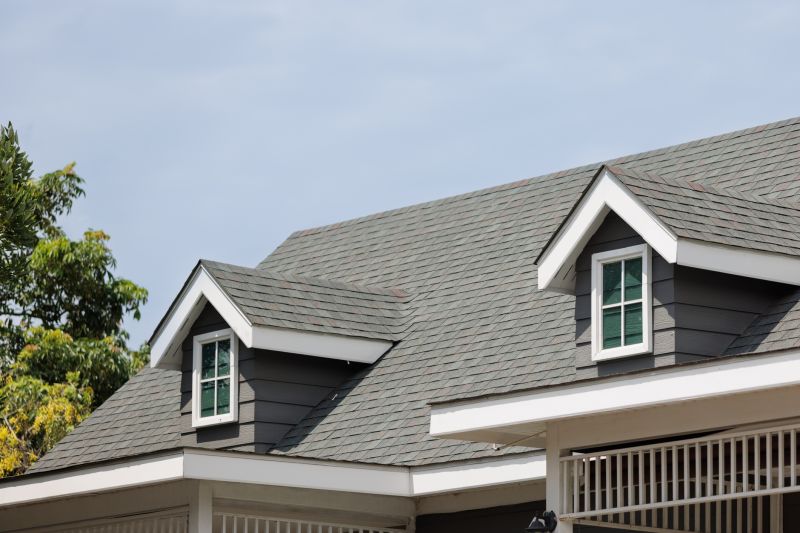
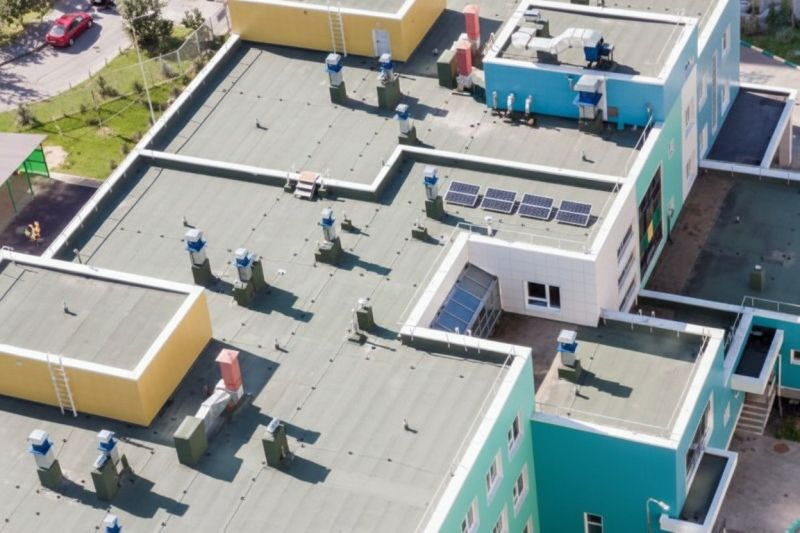
Residential roof replacement is often needed when property owners notice signs of aging, such as missing shingles, leaks, or visible damage after storms. In some cases, roofs may have reached the end of their lifespan, requiring a complete upgrade to maintain the property's protection and appearance. Local contractors are experienced in handling these projects, whether due to wear and tear or recent weather events, providing solutions that help preserve the value and safety of a home.
Homeowners may also seek roof replacements when planning renovations or upgrades to improve curb appeal or comply with local building codes. Aging roofs can impact energy efficiency and overall home comfort, prompting property owners to explore replacement options. Local service providers are available to assist with these projects, offering professional assessments and quality installation to meet the specific needs of each home.
What are the signs that a roof needs replacement? Common indicators include missing or damaged shingles, persistent leaks, visible sagging, and extensive wear or aging of roofing materials.
How do local contractors handle residential roof replacements? They typically perform an inspection, recommend suitable materials, and execute the replacement process according to industry standards and best practices.
What types of roofing materials are commonly used for replacements? Popular options include asphalt shingles, metal roofing, wood shakes, and tile, depending on the homeowner's preferences and structural considerations.
Is it necessary to obtain permits for a roof replacement? Many local jurisdictions require permits for roof replacements, and local service providers can assist with the permitting process as needed.
What should homeowners consider when choosing a roofing contractor? It's important to evaluate their experience, reputation, and ability to provide quality workmanship, as well as their familiarity with local building codes and standards.
Assessing Roof Condition - Property owners can explore roof replacement options when inspecting for signs of damage or aging that affect the home's safety and integrity.
Upgrading for Better Insulation - Homeowners might consider roof replacement to improve energy efficiency and reduce heating or cooling costs during seasonal changes.
Preparing for Home Renovations - Planning a roof replacement can be part of larger renovation projects to enhance the home's overall appearance and value.
Addressing Storm Damage - After severe weather events, property owners can seek local contractors to replace or repair damaged roofing for ongoing protection.
If you are thinking about Residential Roof Replacement for a property, this guide is meant to help you understand the work, the typical project types, and how different options might fit your plans.
When you are ready, you can use the quote form on this page to share a few details about your project. From there, local pros can review the basics and respond with options that match what you have in mind.